

Not So Fresh After All: New car smell might be carcinogenic, says new Environmental Science and Technology study

Toronto, Ontario — According to findings published in the Journal Environmental Science and Technology, the flame retardant chemicals added to seat foam and other automotive components can pollute the cabin air inside the vehicle and also have carcinogenic properties. In the study, researchers noted that the chemical tri (1-chloro-isopropyl) phosphate (TCIPP) alongside others are added […]
Rocking Rebates: ICBC announces $110 rebate to drivers, basic rates remain unchanged

Victoria, British Columbia — According to the British Columbia government, the Insurance Corporation of British Columbia (ICBC) is providing a $110 rebate to eligible drivers. The ICBC has also announced that basic rates will be maintained until March 31st, 2023, marking six years in a row with no increases. This rebate is attributed to positive […]
Going the Distance: Correctly inflated tires important for EV mileage, says TRAC survey

Toronto, Ontario — A recent survey from the Tire and Rubber Association (TRAC) reveals that while a majority of drivers polled understand the relationship between correctly inflated tires and improved fuel mileage, less understand the importance for electric vehicle (EV) mileage. The purpose of TRAC’s survey was to “gauge attitudes and knowledge around the impacts […]
Watch Your Fingers: Tesla’s Cybertruck could cut off fingers, recent social media video shows
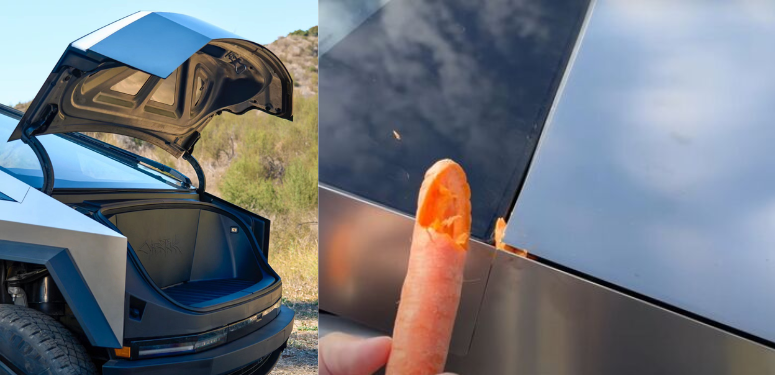
Toronto, Ontario — A recent video posted to the social media platform TikTok by Tyler Blanchard shows that drivers, if not careful, could have their fingers more than just jammed by the Cybertruck’s frunk. In the video, Blanchard uses an anatomically correct model hand with realistic bone filling to answer the question of whether or […]
Unveiling the Mysteries of Hybrid Cars: A Comprehensive Overview for Novices

Hybrid cars have been a subject of fascination for many, combining innovative technology with eco-friendly solutions on our roads. As these vehicles become increasingly common, understanding the mechanics behind them is key to appreciating their benefits fully. This blog post aims to demystify hybrid cars, providing an insightful overview for those who may be unfamiliar with this green automotive marvel.
At the heart of hybrid cars is a blend of power sources, typically an internal combustion engine matched with electric motors. The primary objective? To diminish fuel consumption and emissions while maintaining the same level of performance as traditional vehicles. But how do these vehicles achieve this delicate balance?
The secret lies in the hybrid powertrain, which cleverly switches between the electric motor and the gasoline engine to optimize fuel efficiency. A sophisticated onboard computer system orchestrates this process, selecting the most efficient mode of operation based on driving conditions. For instance, the electric motor can power the vehicle on its own at low speeds or in stop-and-go traffic, conserving gasoline. On highways, the gas engine takes charge, occasionally assisted by the electric motor for acceleration.
A standout feature of hybrid cars is regenerative braking, where kinetic energy during braking is captured and used to recharge the car’s battery, enhancing efficiency with every slowdown. These vehicles also rely on high-performance battery packs to power the electric motor, recharged through braking and the internal combustion engine. Recent advancements in battery technology have significantly improved storage capacity, longevity, and dependability, contributing to the allure of hybrid cars.
Hybrid vehicles come in various forms, each with a distinct approach to integrating electric power. Parallel hybrids enable both the engine and electric motor to work together or independently, while series hybrids often use the engine as a generator for the electric motor. Plug-in hybrids offer the flexibility of recharging from an external power source, allowing extended electric-only driving range before transitioning to hybrid mode.
Beyond their environmental benefits, hybrid cars can offer lower running costs due to fuel efficiency and various incentives such as tax breaks, reduced registration fees, and access to high-occupancy vehicle lanes. Automakers continue to expand their hybrid offerings, providing a wide array of sizes, styles, and features to cater to diverse preferences and needs.
While the technology behind hybrid vehicles may seem complex at first, it ultimately serves a simple goal: to deliver sustainable, efficient transportation without sacrificing performance or comfort. Embracing hybrid technology can be a step toward a greener lifestyle, reducing carbon footprint while enjoying the advancements that make driving both enjoyable and environmentally conscious. In the evolving landscape of the automotive industry, hybrids are not just an alternative but a pioneering force in this exciting transition towards sustainable mobility.
Finding Fault with No Fault: Only a quarter of Albertans support ‘no-fault’ insurance system

Edmonton, Alberta — In a survey conducted by Fair Alberta Insurance Regulations (FAIR Alberta), only about a quarter of Albertans support the province’s proposed “no-fault” alternative. The survey, which was conducted between January 8 and 15, 2024 and polled over 900 individuals aged 18 and older, revealed that 63 percent of Albertans prefer the current […]
Tabling Auto Theft: Ontario budget includes $49 million to stop growing incidents of auto theft

Toronto, Ontario — The Ontario government recently tabled a budget on March 26th that included $49 million dollars to help stop growing incidents of auto theft in the province. The funds will be spread across a three-year period and will be put towards stopping theft in high risk areas such as in the Greater Toronto […]
How Long Does It Take to Charge an Electric Vehicle? Multiple Factors Apply
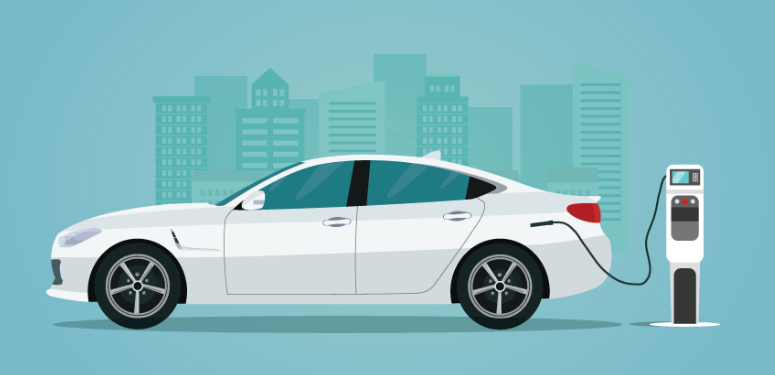
Electric vehicles (EVs) have gained significant popularity in recent years due to their environmental benefits and cost savings. As more people consider making the switch to electric cars, one common question that arises is, “how long does it take to charge an electric vehicle?” In this comprehensive guide, we will explore the factors that influence […]
Climbing Costs: Cost of gas-powered car ownership in Toronto increases 52 percent says new report

Toronto, Ontario — New analysis from personal finance app Hardbacon has found that the average cost of owning a gas-powered vehicle in Toronto has increased by 52 percent. This change specifically translates to an average cost of $1,623 dollars per month, which is a significant increase from data collected in 2019 wherein the average monthly […]
Idolizing Independent: Consumer Reports survey shows customers prefer independent shops vs. dealerships

Toronto, Ontario — A new Consumer Reports survey reveals that customers prefer independent shops over dealerships for automotive repairs. The survey–based on 10,973 responses from Consumer Reports members on 11,670 repairs at 36 auto repair chains, independent shops and dealerships–further revealed that Hyundai, Jeep and Kia scored lowest for overall customer satisfaction. The survey asked members to comment […]